
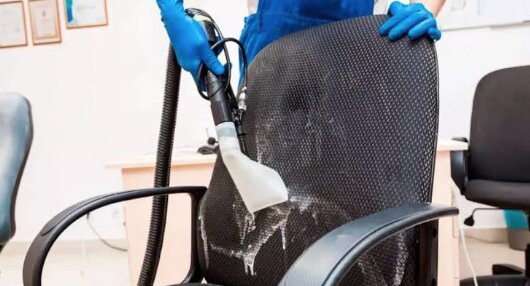
A clean office chair does more than improve the appearance of your workspace. It also extends the lifespan of the chair, eliminates odors, reduces allergens, prevents premature wear, and helps maintain the materials that support your comfort throughout the workday.
Whether you own an ergonomic mesh chair, a premium leather executive chair, or a fabric task chair, each material requires a different cleaning approach. Using the wrong products can discolor upholstery, damage coatings, weaken adhesives, or shorten the life of the chair.
This guide explains exactly how to clean an office chair safely, including the seat, backrest, armrests, wheels, base, gas cylinder, and moving mechanisms. It also covers stain removal, odor elimination, and maintenance tips that help keep your chair looking and performing like new.
Why Regular Office Chair Cleaning Matters
Many people spend 6 to 10 hours sitting in the same chair every day. During that time, office chairs collect:
- Sweat and body oils
- Dust
- Food crumbs
- Skin cells
- Pet hair
- Dirt from shoes
- Coffee stains
- Ink marks
- Germs and bacteria
Over time, this buildup affects more than appearance.
Regular cleaning helps:
- Extend the chair’s lifespan
- Preserve upholstery materials
- Prevent unpleasant odors
- Improve indoor air quality
- Reduce allergens
- Keep adjustment mechanisms operating smoothly
- Maintain a professional-looking workspace
A properly maintained office chair can easily last several years longer than one that is neglected.
Supplies You’ll Need
Gather everything before starting.
Basic Cleaning Supplies
- Vacuum cleaner with brush attachment
- Microfiber cloths
- Soft sponge
- Soft-bristle toothbrush
- Cotton swabs
- Mild dish soap
- Warm water
- Spray bottle
- Paper towels
- Small bucket
Optional Supplies
- Upholstery cleaner
- Leather cleaner
- Leather conditioner
- White vinegar
- Baking soda
- Isopropyl alcohol (70%)
- Compressed air
- Silicone lubricant (for moving parts only)
Avoid harsh chemicals unless recommended by the chair manufacturer.
Check the Manufacturer’s Cleaning Instructions First
Before applying any cleaner, check:
- User manual
- Care label
- Manufacturer website
Many office chairs use specialty coatings or fabrics that require specific cleaning products.
If instructions aren’t available, always test cleaners on a hidden area first.
Vacuum the Entire Chair First
Before using any liquid cleaner, remove loose debris.
Areas to Vacuum
- Seat cushion
- Backrest
- Mesh panels
- Armrests
- Under the seat
- Wheel casters
- Base
- Around adjustment levers
Use a brush attachment to avoid scratching surfaces.
Vacuuming first prevents dirt from turning into muddy residue during cleaning.
How to Clean a Fabric Office Chair
Fabric chairs absorb sweat, oils, and spills more easily than other materials.
Step 1: Mix a Gentle Cleaning Solution
Combine:
- 2 cups warm water
- A few drops of mild dish soap
Avoid overly concentrated soap mixtures.
Step 2: Lightly Dampen a Microfiber Cloth
Never soak fabric.
The cloth should feel damp—not dripping.
Too much moisture can:
- Damage foam padding
- Cause mildew
- Leave water stains
Step 3: Wipe the Upholstery
Work in small sections.
Use gentle circular motions without scrubbing aggressively.
Pay extra attention to:
- Seat cushion
- Front edge
- Lower back support
- Headrest
Step 4: Remove Soap Residue
Use another cloth dampened with clean water.
Wipe away remaining soap.
Step 5: Allow the Chair to Air Dry
Leave the chair in a well-ventilated room.
Avoid:
- Hair dryers
- Direct sunlight
- Space heaters
Heat may shrink or damage fabric.
How to Clean a Mesh Office Chair
Mesh is one of the easiest office chair materials to maintain, but aggressive scrubbing can stretch or damage it.
Vacuum Both Sides
Dust often becomes trapped within the mesh weave.
Vacuum:
- Front
- Back
- Seat mesh
- Lumbar support
Wash Using Mild Soap
Mix warm water with mild dish soap.
Lightly wipe the mesh using a microfiber cloth.
Avoid excessive pressure.
Use a Soft Brush for Embedded Dirt
A soft toothbrush helps remove dirt lodged inside the mesh openings.
Brush gently.
Never use wire brushes.
Dry Thoroughly
Mesh dries quickly.
Leave the chair to air dry completely before use.
How to Clean a Leather Office Chair
Leather requires more careful treatment than fabric.
Using harsh cleaners may dry out or crack the surface.
Remove Dust
Use a dry microfiber cloth first.
Dust acts like fine sandpaper if rubbed into leather.
Apply Leather Cleaner
Use a cleaner specifically designed for leather furniture.
Apply it to the cloth—not directly onto the chair.
Wipe gently.
Dry Immediately
Use a clean microfiber towel to remove excess moisture.
Condition the Leather
Every 6 to 12 months, apply leather conditioner.
Conditioning helps:
- Prevent cracks
- Maintain flexibility
- Restore softness
- Protect the finish
How to Clean Faux Leather (PU Leather)
Faux leather is easier to maintain than genuine leather.
Simply wipe with:
- Warm water
- Mild soap
- Soft microfiber cloth
Avoid:
- Bleach
- Acetone
- Abrasive scrub pads
These can peel the surface coating.
How to Remove Common Office Chair Stains
Different stains require different treatments.
Coffee Stains
Blot immediately.
Use:
- Mild soap
- Warm water
Avoid rubbing.
Blot from the outside inward.
Ink Stains
Lightly dab with isopropyl alcohol using a cotton swab.
Test on a hidden area first.
Do not saturate the fabric.
Food Stains
Remove loose debris.
Clean with warm soapy water.
Repeat if necessary.
Grease Stains
Sprinkle baking soda over the stain.
Leave for 20–30 minutes.
Vacuum.
Clean remaining residue with mild soap.
Sweat Stains
Mix equal parts:
- White vinegar
- Water
Lightly dab the area.
Allow to dry completely.
How to Remove Odors from an Office Chair
Odors usually come from trapped moisture, sweat, or food residue.
Baking Soda Method
Sprinkle baking soda over fabric upholstery.
Leave overnight.
Vacuum thoroughly the next day.
Vinegar Spray
Mix:
- Equal parts water
- White vinegar
Lightly mist the surface.
Do not soak.
The vinegar smell disappears as it dries.
Improve Ventilation
Allow the chair to air out near an open window or in a well-ventilated room.
Avoid prolonged direct sunlight.
How to Clean Office Chair Armrests
Armrests collect oils from hands and forearms.
Clean them using:
- Warm water
- Mild soap
- Microfiber cloth
For textured plastic:
Use a soft toothbrush to reach grooves.
Dry immediately afterward.
How to Clean the Chair Base
The five-star base often collects dust, hair, and dirt.
Wipe it using:
- Damp microfiber cloth
- Mild soap
For stubborn dirt:
Use a soft brush around the wheel mounts.
How to Clean Office Chair Wheels
Dirty casters reduce rolling performance and can scratch floors.
Turn the Chair Upside Down
Work on a protected surface.
Remove Hair
Use:
- Tweezers
- Small scissors
- Needle-nose pliers
Carefully cut away wrapped hair.
Wash the Wheels
Use warm soapy water.
Rotate each wheel while cleaning.
Dry Completely
Moisture trapped inside wheels attracts dirt.
Dry thoroughly before reinstalling or using.
How to Clean Under the Seat
The underside often collects:
- Dust
- Pet hair
- Crumbs
- Loose fibers
Vacuum thoroughly.
Use compressed air around adjustment levers.
Wipe plastic surfaces with a damp cloth.
Cleaning the Gas Lift Cylinder
The gas cylinder rarely needs deep cleaning.
Simply wipe away dust using:
- Dry microfiber cloth
- Slightly damp cloth if necessary
Do not:
- Apply lubricants directly
- Attempt to disassemble the cylinder
Gas lifts are sealed components.
Should You Lubricate Moving Parts?
Sometimes.
If adjustment mechanisms squeak, apply a small amount of silicone lubricant to:
- Pivot joints
- Metal hinges
- Recline mechanisms
Avoid getting lubricant on:
- Fabric
- Mesh
- Leather
- Plastic armrests
Wipe away excess immediately.
Mistakes to Avoid
Cleaning mistakes can permanently damage office chairs.
Avoid these common errors.
Using Bleach
Bleach weakens fabric fibers and damages finishes.
Overwetting Upholstery
Excess water may:
- Damage foam
- Cause mold
- Leave stains
Always use minimal moisture.
Using Abrasive Brushes
Hard brushes scratch:
- Leather
- Plastic
- Painted metal
- Mesh
Use soft-bristle brushes only.
Skipping Spot Tests
Always test cleaners on an inconspicuous area first.
Even mild cleaners may discolor certain fabrics.
Forgetting to Dry the Chair
Using a damp chair can encourage mildew and odors.
Allow every component to dry completely.
How Often Should You Clean an Office Chair?
Cleaning frequency depends on usage.
Weekly
- Dust surfaces
- Vacuum fabric
- Wipe armrests
- Clean spills immediately
Monthly
- Deep clean upholstery
- Vacuum underneath
- Clean wheels
- Wipe base
Every Six Months
- Condition leather
- Inspect screws
- Lubricate moving joints if needed
- Tighten loose hardware
When Professional Cleaning Is Worth It
Professional upholstery cleaning may be worthwhile if your chair has:
- Heavy staining
- Persistent odors
- Mold
- Delicate premium fabrics
- Expensive genuine leather
Professional cleaning can often restore chairs that appear beyond saving.
Tips to Keep Your Office Chair Cleaner Longer
Preventing dirt is easier than removing it.
Good habits include:
- Wash hands before sitting down after eating.
- Avoid eating messy foods at your desk.
- Clean spills immediately.
- Vacuum the workspace regularly.
- Keep pets off the chair.
- Use a washable chair cover if necessary.
- Rotate cushions periodically if removable.
- Maintain moderate indoor humidity to protect leather.
Small maintenance routines significantly reduce the need for deep cleaning.
Frequently Asked Questions
Can I use disinfecting wipes on an office chair?
It depends on the material. Disinfecting wipes are generally safe for hard plastic and metal surfaces, but repeated use on leather, faux leather, or fabric can cause fading, dryness, or discoloration. Always check the manufacturer’s recommendations first.
Can I steam clean an office chair?
Steam cleaning may be appropriate for some fabric upholstery, but excessive heat and moisture can damage foam, adhesives, mesh, or leather. Unless the manufacturer specifically approves steam cleaning, it’s safer to use a mild soap solution and minimal water.
Is vinegar safe for office chairs?
Diluted white vinegar works well for removing odors and light stains on many fabric chairs. However, it should not be used on genuine leather because it can dry out the material and damage the finish.
How do I stop my office chair from smelling?
Start by vacuuming thoroughly, cleaning the upholstery with a suitable cleaner, and allowing the chair to dry completely. For fabric chairs, baking soda can help absorb lingering odors. Regular cleaning and good ventilation are the best long-term solutions.
Can I wash removable office chair covers?
If your chair has removable covers, check the care label first. Some are machine washable, while others require hand washing or dry cleaning. Always follow the manufacturer’s instructions to avoid shrinking or damaging the fabric.
Final Thoughts
Learning how to clean an office chair properly is one of the simplest ways to protect your investment and maintain a healthier workspace. Different materials require different care, but the basic process remains the same: remove dust first, use gentle cleaners, avoid excessive moisture, and let every surface dry thoroughly before using the chair again.
Routine maintenance doesn’t take long, yet it can dramatically extend the life of your chair, preserve its appearance, and keep its ergonomic features working as intended. By cleaning spills promptly, vacuuming regularly, maintaining the wheels and moving parts, and using material-specific cleaning products, you can keep your office chair comfortable, hygienic, and looking its best for years to come.