
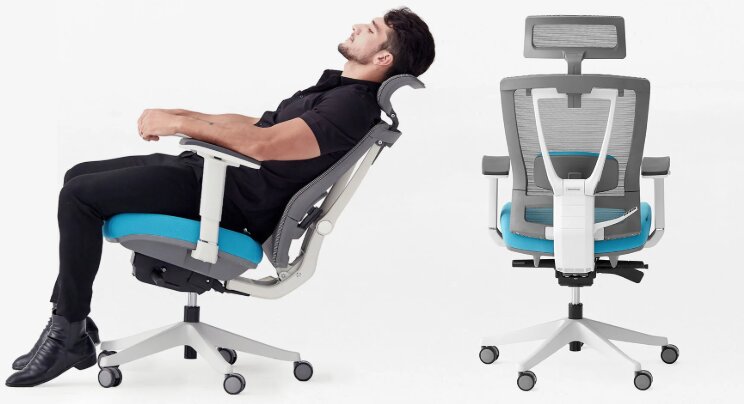
If your office chair backrest won’t stay up, you’re not alone. This is one of the most common ergonomic chair problems, affecting everything from inexpensive home office chairs to premium ergonomic models after years of use.
A backrest that constantly slides down can make it impossible to maintain proper posture. Instead of supporting your spine, the chair forces you into an awkward position that can lead to neck pain, shoulder tension, lower back discomfort, and reduced productivity.
The good news is that this problem is usually caused by a handful of components that can often be adjusted, tightened, repaired, or replaced. In many cases, you won’t need to buy an entirely new chair.
This guide explains why your office chair back won’t stay in place, how to diagnose the exact cause, and what you can do to fix it.
How an Office Chair Backrest Height Adjustment Works
Before troubleshooting, it helps to understand how adjustable backrests function.
Most office chairs use one of these systems:
- Ratchet-style height adjustment
- Push-button locking mechanism
- Sliding rail with locking tabs
- Bolt-mounted backrest bracket
- Fixed-height backrest attached to the seat frame
When working correctly, the adjustment mechanism locks into position and supports your body weight. If one of the locking components wears out or becomes loose, gravity gradually pulls the backrest downward whenever you lean against it.
Signs That Your Chair Backrest Has a Problem
Common symptoms include:
- Backrest slowly slides down during use
- Height adjustment won’t lock
- Backrest drops after every adjustment
- Chair clicks repeatedly when leaning back
- Backrest feels loose or wobbly
- Locking positions no longer engage
- You have to keep raising the backrest several times a day
These symptoms usually point to either a worn adjustment mechanism or loose mounting hardware.
Common Reasons an Office Chair Backrest Won’t Stay Up
Worn Ratchet Mechanism
Many ergonomic chairs use a ratchet system.
Every time you lift the backrest, small internal teeth engage another locking position.
Over years of use:
- Plastic teeth wear down
- Metal catches round off
- Springs weaken
- Locking pawls stop engaging
Once enough wear develops, the backrest slips downward under normal body weight.
Signs include:
- Clicking noises
- Inconsistent locking
- Backrest dropping one notch at a time
Loose Backrest Mounting Bolts
The simplest cause is often loose hardware.
Daily reclining places constant stress on:
- Seat bolts
- Backrest brackets
- Support frame
- Recline mechanism
Even a few millimeters of movement can prevent the locking system from staying fully engaged.
Inspect:
- Allen bolts
- Hex bolts
- Phillips screws
- Mounting brackets
Many chairs only need a quick tightening.
Broken Height Lock
Some office chairs use a dedicated locking pin.
This may be:
- Steel pin
- Plastic latch
- Spring-loaded clip
- Push-button lock
If the lock breaks, the backrest simply slides freely.
Plastic locking pieces are especially vulnerable after years of repeated adjustments.
Damaged Adjustment Rail
Adjustable office chairs often use a vertical rail behind the seat.
The rail contains multiple locking positions.
Damage may include:
- Bent rail
- Cracked guide
- Worn grooves
- Broken track
If the guide no longer aligns properly, the locking mechanism cannot fully engage.
Worn Plastic Bushings
Bushings reduce movement between moving parts.
Over time they can:
- Crack
- Flatten
- Wear unevenly
This creates extra play inside the adjustment system.
Eventually the backrest shifts enough to disengage its locking position.
Failed Internal Spring
Many height adjustment systems rely on spring tension.
The spring keeps the locking pawl engaged.
If the spring:
- Weakens
- Breaks
- Pops loose
the mechanism no longer holds the backrest securely.
Overloaded Backrest
Every chair has a weight capacity.
Repeatedly exceeding that capacity accelerates wear on:
- Locking teeth
- Brackets
- Rails
- Recline mechanisms
This doesn’t always happen suddenly.
Instead, the backrest gradually begins slipping more frequently over months or years.
Low-Quality Manufacturing
Budget office chairs sometimes use:
- Thin plastic rails
- Weak locking tabs
- Lightweight brackets
- Low-strength springs
Frequent adjustments wear these parts much faster than higher-quality components.
How to Diagnose the Problem
Check for Loose Hardware
Start with the easiest inspection.
Look underneath the chair where the backrest connects.
Check:
- Loose bolts
- Missing screws
- Cracked brackets
- Bent metal plates
Tighten everything before assuming something is broken.
Test the Locking Positions
Raise the backrest through every available position.
Notice whether:
- Every notch locks
- Some positions skip
- It immediately falls
- It clicks without locking
If only certain positions fail, the ratchet teeth may be worn in those areas.
Inspect the Adjustment Rail
Remove any plastic covers.
Look for:
- Cracks
- Missing teeth
- Bent rails
- Broken clips
- Excessive wear
Physical damage usually requires replacement rather than repair.
Wiggle the Backrest
Hold the seat steady.
Move the backrest side to side.
Excessive movement often indicates:
- Loose brackets
- Worn bushings
- Broken internal guides
A properly functioning chair should feel solid.
Listen While Adjusting
Pay attention to sounds.
Healthy mechanisms usually produce crisp clicks.
Grinding, popping, or muted clicking often signals worn locking parts.
How to Fix an Office Chair Backrest That Won’t Stay Up
Tighten Every Fastener
You’ll usually need:
- Allen wrench
- Socket wrench
- Screwdriver
Tighten:
- Seat bolts
- Backrest bolts
- Recline mechanism hardware
- Support brackets
Avoid overtightening, especially on plastic frames.
Clean the Adjustment Mechanism
Dust and debris can prevent proper engagement.
Use:
- Compressed air
- Soft brush
- Dry microfiber cloth
Avoid soaking the mechanism with heavy lubricant unless recommended by the manufacturer.
Sticky lubricants may actually attract more dust.
Lubricate Moving Metal Parts
If your chair uses exposed metal rails, apply a light machine lubricant.
Good options include:
- Silicone lubricant
- PTFE dry lubricant
Avoid excessive grease that can trap dirt.
Never lubricate friction surfaces designed to lock.
Replace Missing Hardware
Missing bolts should be replaced immediately.
Bring the old hardware to a hardware store or check the chair manufacturer’s parts list.
Using incorrect bolt lengths can damage the chair.
Replace the Backrest Bracket
If the bracket has bent or cracked, replacing it is usually more reliable than attempting to bend it back.
Many manufacturers sell:
- Backrest assemblies
- Mounting brackets
- Adjustment rails
Installing a replacement restores the chair’s structural integrity.
Replace the Height Adjustment Mechanism
Some ergonomic chairs allow replacement of the complete height adjustment assembly.
This often includes:
- Locking pawl
- Spring
- Ratchet teeth
- Sliding rail
Replacing the assembly is typically easier than rebuilding individual parts.
Contact the Manufacturer
If your chair is still under warranty, don’t attempt major repairs first.
Manufacturers frequently provide:
- Replacement parts
- Repair kits
- Installation instructions
- Warranty service
Many premium office chair brands support replacement parts for years.
Temporary Fixes While Waiting for Replacement Parts
Temporary solutions can keep the chair usable, but they are not permanent repairs.
Examples include:
- Tightening hardware weekly
- Locking the backrest at one height using replacement bolts (if the design allows)
- Reducing recline until repairs are completed
- Avoiding frequent height adjustments
Avoid makeshift repairs involving:
- Wood screws
- Glue
- Tape
- Zip ties
These rarely hold under body weight and may create safety hazards.
Can You Repair the Ratchet Mechanism?
Sometimes.
Repair is possible when:
- Springs have come loose
- Dirt prevents engagement
- Minor hardware has loosened
Replacement is usually better when:
- Teeth have worn away
- Plastic parts have cracked
- Metal catches have rounded off
- Rails have bent
Once locking teeth wear down, they generally cannot be restored reliably.
Should You Replace the Entire Backrest?
It depends on the chair.
Replacing only the backrest makes sense when:
- Parts are available
- Chair is otherwise in excellent condition
- Base and cylinder remain solid
- Seat cushion still provides support
Replacing the whole chair may be more economical if:
- Multiple components have failed
- Foam is worn out
- Gas lift is failing
- Casters are damaged
- The chair is over 8–10 years old
How to Prevent the Problem from Happening Again
Avoid Dropping Into the Chair
Suddenly sitting down places enormous stress on:
- Mounting brackets
- Locking teeth
- Recline mechanism
Sit down gently whenever possible.
Adjust Before Sitting
Raise or lower the backrest while standing.
Adjusting under full body weight increases wear on the locking mechanism.
Tighten Hardware Every Few Months
Office chairs naturally loosen with daily movement.
A quick inspection every three to six months helps prevent small problems from becoming larger ones.
Stay Within the Weight Rating
Exceeding the manufacturer’s capacity accelerates wear.
If multiple people use the chair, ensure it is rated for the heaviest intended user.
Keep the Mechanism Clean
Vacuum dust around:
- Rails
- Recline joints
- Adjustment levers
- Mounting brackets
Clean mechanisms generally last longer and operate more smoothly.
Avoid Excessive Force
Never yank the backrest upward or slam it downward.
Smooth adjustments reduce wear on:
- Springs
- Ratchets
- Locking pins
When It’s Time to Replace the Chair
Sometimes repairs no longer make financial sense.
Consider replacing the chair if:
- Replacement parts are unavailable.
- The frame has cracked.
- Multiple adjustment mechanisms have failed.
- The chair no longer provides proper ergonomic support.
- Repair costs approach the price of a new chair.
- The chair has significant wear across the seat, armrests, base, and casters.
Investing in a durable ergonomic chair with readily available replacement parts can reduce long-term ownership costs.
Frequently Asked Questions
Why does my office chair backrest keep sliding down?
The most common causes are worn ratchet teeth, loose mounting bolts, damaged adjustment rails, broken locking mechanisms, or worn internal springs.
Can I fix a chair backrest without replacing parts?
Sometimes. Tightening loose hardware, cleaning the adjustment mechanism, or reinstalling a dislodged spring may solve the problem if the internal components aren’t damaged.
Is it safe to keep using a chair with a slipping backrest?
It depends on the cause. A loose bolt can usually be fixed easily, but a cracked frame or broken bracket can compromise stability and should be repaired before continued use.
Can I buy replacement backrest parts?
Many office chair manufacturers sell replacement backrests, brackets, adjustment rails, and hardware. Availability varies by brand and model.
Does lubricating the mechanism fix the issue?
Lubrication only helps if friction or dirt is preventing smooth operation. It won’t repair worn locking teeth, broken springs, or cracked components.
How long should an office chair backrest last?
A quality office chair used daily typically lasts seven to ten years or longer with proper maintenance. Premium models with replaceable components often remain serviceable for well over a decade.
Final Thoughts
When an office chair backrest won’t stay up, the problem usually comes down to loose hardware, worn locking components, or a damaged adjustment mechanism. Starting with a careful inspection can often reveal a simple fix, such as tightening bolts or cleaning the adjustment rail. If internal parts like the ratchet teeth or locking spring have worn out, replacing the affected assembly is typically more effective than attempting a temporary repair.
Regular maintenance—including checking fasteners, cleaning moving parts, and avoiding unnecessary strain on the chair—can significantly extend the life of the backrest adjustment system. By identifying the root cause early and addressing it properly, you can restore reliable back support, improve sitting posture, and get many more years of comfortable use from your office chair.