
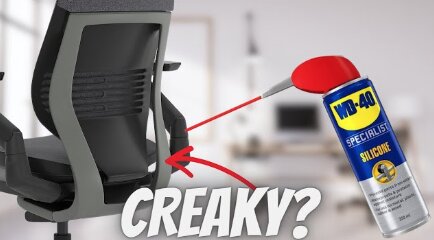
If your office chair is making noise when leaning back, you’re not alone. Squeaking, creaking, clicking, or popping sounds are among the most common complaints office chair owners experience, especially after months or years of daily use.
While these noises can be annoying, they usually don’t indicate that the chair is broken. In most cases, the issue stems from loose hardware, friction between moving parts, lack of lubrication, or wear within the tilt mechanism.
In this guide, I’ll explain why an office chair makes noise when reclining, how to identify the source of the problem, and the best ways to fix it before it becomes worse.
Why Does My Office Chair Make Noise When Leaning Back?
Office chairs contain multiple moving components that work together whenever you recline. Over time, these parts experience wear, friction, and loosening, which can create unwanted sounds.
Common causes include:
- Dry or unlubricated joints
- Loose bolts and screws
- Worn tilt mechanism components
- Gas lift cylinder movement
- Seat plate friction
- Metal-on-metal contact
- Damaged casters or chair base
- Aging plastic components
The type of noise often provides clues about the underlying problem.
What Different Chair Noises Mean
Squeaking Noise
A squeaking office chair is usually caused by friction between moving parts.
Common locations include:
- Tilt mechanism
- Recline joints
- Armrest connections
- Seat plate pivots
- Backrest attachment points
Squeaks are typically the easiest noise to fix because lubrication often solves the issue.
Creaking Noise
Creaking sounds often occur when weight shifts during reclining.
Possible causes include:
- Loose frame connections
- Worn bushings
- Flexing metal components
- Loose seat plate hardware
A creaking noise may become louder over time if left unaddressed.
Clicking or Popping Sounds
Clicking noises can indicate:
- Loose bolts
- Worn tilt lock mechanisms
- Damaged reclining components
- Internal movement inside the seat mechanism
Occasional clicks may be normal on some chairs, but frequent popping sounds deserve inspection.
Grinding Noise
Grinding noises are less common but may indicate:
- Lack of lubrication
- Damaged bearings
- Excessive wear inside the tilt mechanism
- Metal components rubbing together
If grinding continues after lubrication, replacement parts may be necessary.
Most Common Causes of Office Chair Noise When Reclining
1. Loose Screws and Bolts
Office chairs experience constant movement throughout the day.
Over time, screws and bolts can gradually loosen, causing components to shift whenever you lean back.
Check:
- Seat mounting bolts
- Armrest screws
- Backrest attachment points
- Tilt mechanism hardware
- Base assembly bolts
Even a slightly loose bolt can create significant noise.
2. Dry Tilt Mechanism
The tilt mechanism is one of the most heavily used parts of an ergonomic office chair.
As lubrication wears away, metal components begin rubbing against each other.
Signs of a dry tilt mechanism include:
- Squeaking during recline
- Noise only when leaning backward
- Increased resistance while reclining
- Intermittent sounds
Regular lubrication often restores smooth operation.
3. Worn Seat Plate Components
The seat plate connects the chair seat to the gas lift and reclining mechanism.
Because it handles most of the chair’s movement, it can develop wear over time.
Symptoms include:
- Clicking sounds
- Creaking under weight
- Noise during forward and backward movement
- Increased chair wobble
4. Gas Lift Cylinder Movement
Many users assume the gas cylinder is responsible whenever a chair makes noise.
While possible, cylinders are less commonly the cause than the tilt mechanism.
Signs of cylinder-related issues include:
- Noise when sitting down
- Noise during height adjustment
- Popping sounds from underneath the seat
- Chair sinking unexpectedly
5. Plastic Components Rubbing Together
Modern office chairs often combine metal frames with plastic covers.
As materials age, slight movement between panels can produce squeaks or creaks.
Inspect:
- Backrest covers
- Armrest housings
- Decorative trim pieces
- Plastic mechanism covers
How to Find the Source of the Noise
Before applying any fixes, identify exactly where the sound originates.
Step 1: Listen Carefully
Recline slowly several times.
Pay attention to whether the sound comes from:
- Under the seat
- Backrest area
- Armrests
- Chair base
Step 2: Test Without Weight
Stand beside the chair and manually recline the backrest if possible.
If the noise disappears, the issue may be weight-related.
Step 3: Inspect Hardware
Use a flashlight to check for:
- Missing screws
- Loose bolts
- Visible wear
- Damaged components
Step 4: Check Moving Parts
Observe which parts move during reclining.
The noisy component often becomes obvious once movement is isolated.
How to Fix an Office Chair That Squeaks When Leaning Back
Tighten All Hardware
Start with the simplest solution.
Using the appropriate tools:
- Tighten seat bolts
- Tighten backrest screws
- Secure armrest hardware
- Check tilt mechanism fasteners
Avoid overtightening, which can damage threads.
Apply Lubricant
Lubrication solves many office chair squeaks.
Suitable options include:
- Silicone lubricant
- White lithium grease
- PTFE-based lubricants
Apply lubricant to:
- Pivot points
- Recline joints
- Seat plate hinges
- Metal contact areas
After application, recline the chair multiple times to distribute the lubricant evenly.
Remove Dirt and Dust
Dust accumulation can increase friction.
Clean:
- Tilt mechanism
- Moving joints
- Chair base
- Under-seat components
Compressed air can help reach difficult areas.
Replace Worn Parts
If lubrication and tightening do not help, worn components may require replacement.
Common replacement parts include:
- Seat plates
- Tilt mechanisms
- Gas cylinders
- Armrest assemblies
- Casters
For premium chairs, replacement components are often available directly from the manufacturer.
Should You Use WD-40 on an Office Chair?
Many people immediately reach for WD-40 when a chair starts squeaking.
While WD-40 can temporarily reduce noise, it is primarily a penetrating oil rather than a long-term lubricant.
For lasting results, consider:
- Silicone spray
- White lithium grease
- PTFE lubricant
These products generally provide better long-term protection and lubrication for office chair mechanisms.
When Noise Indicates a Serious Problem
Not all chair noises are harmless.
Consider replacing or repairing the chair if you notice:
- Cracked frame components
- Excessive wobbling
- Loud popping sounds
- Difficulty reclining
- Sudden movement while seated
- Structural damage
These symptoms may indicate a safety issue rather than a simple maintenance problem.
How to Prevent Office Chair Noises
Regular maintenance helps prevent future squeaks and creaks.
Tighten Hardware Every Few Months
Inspect:
- Seat bolts
- Backrest screws
- Armrest attachments
Routine tightening prevents movement-related noise.
Lubricate Moving Parts
Apply lubricant every 6–12 months, especially if the chair receives heavy daily use.
Keep the Chair Clean
Dust and debris accelerate wear.
Regular cleaning helps maintain smooth movement and reduces friction.
Avoid Excessive Weight Stress
Using a chair beyond its rated capacity can increase wear on:
- Tilt mechanisms
- Seat plates
- Gas cylinders
- Frame components
Choosing a chair with an appropriate weight capacity improves longevity.
Frequently Asked Questions
Is it normal for an office chair to make noise when reclining?
Some minor sounds can occur as parts move under load, especially on budget office chairs. However, persistent squeaking, creaking, or popping usually indicates friction, loose hardware, or component wear.
Why does my chair squeak only when I lean back?
This often points to the tilt mechanism, recline pivots, or seat plate. These components experience movement only during reclining.
Can a squeaky office chair be fixed?
In most cases, yes. Tightening bolts, cleaning the mechanism, and applying proper lubricant resolve the majority of chair noises.
Does a noisy office chair mean it is unsafe?
Not necessarily. Most noises are maintenance-related. However, loud popping sounds, excessive wobbling, or visible structural damage should be inspected immediately.
How often should I lubricate my office chair?
For most users, lubricating moving components once or twice per year is sufficient.
Final Thoughts
An office chair making noise when leaning back is usually caused by friction, loose hardware, or normal wear within the recline mechanism. Fortunately, most squeaks and creaks can be eliminated with a thorough inspection, proper tightening, and routine lubrication.
Regular maintenance not only keeps your chair quiet but can also extend its lifespan, improve comfort, and prevent more expensive repairs down the road. If the noise persists despite your troubleshooting efforts, replacing worn components—or in some cases the chair itself—may be the most practical long-term solution.