
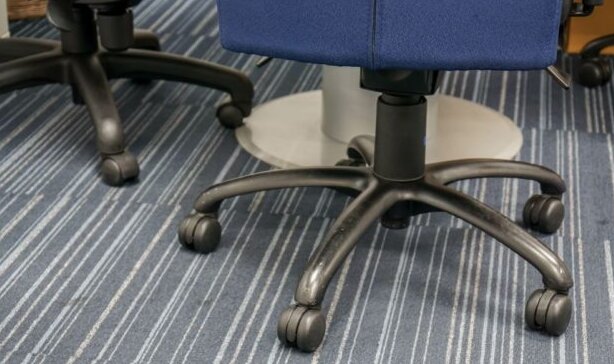
If your office chair suddenly starts sinking, won’t stay at the correct height, or no longer adjusts smoothly, the gas lift cylinder is usually the culprit. Fortunately, replacing the cylinder is often much cheaper than buying a brand-new chair.
One of the most common questions people ask before ordering a replacement is: Are office chair cylinders universal?
The short answer is mostly yes—but not always.
Most modern office chairs use standardized gas lift cylinders that fit the vast majority of office chairs on the market. However, there are important exceptions involving cylinder length, weight capacity, stroke height, and certain proprietary chair designs.
In this guide, you’ll learn exactly how office chair cylinders work, when they are interchangeable, how to measure your current cylinder, and how to choose the right replacement.
The Short Answer
Most office chair cylinders are designed to universal industry standards, meaning they fit the majority of:
- Task chairs
- Executive chairs
- Gaming chairs
- Ergonomic office chairs
- Mesh office chairs
- Conference chairs
In most cases, the connection points between the cylinder, chair mechanism, and chair base are standardized.
However, “universal” does not mean every cylinder fits every chair. There are several variables that can affect compatibility.
These include:
- Cylinder class
- Cylinder stroke length
- Overall cylinder height
- Weight capacity
- Specialty chair designs
- Manufacturer-specific components
Understanding these differences prevents ordering the wrong replacement.
How Office Chair Cylinders Work
Before discussing compatibility, it helps to understand what the cylinder actually does.
An office chair cylinder is a sealed gas lift that uses compressed nitrogen gas to raise or lower your seat.
Inside the cylinder are:
- Pressurized nitrogen gas
- Hydraulic oil
- A piston
- Internal seals
- Height adjustment valve
When you pull the height adjustment lever, the valve briefly opens.
- Sitting on the chair lowers it.
- Removing weight allows the gas pressure to raise it.
Once you release the lever, the valve closes and locks the chair at that height.
Because the cylinder is permanently sealed, it cannot realistically be repaired when it fails. Replacement is the standard solution.
Why Most Office Chair Cylinders Are Universal
The office furniture industry has adopted standardized taper fittings for gas lift cylinders.
A standard office chair cylinder connects to two main components:
- The chair base
- The seat mechanism
Instead of using threads or bolts, both ends rely on friction-fit tapered connections.
This design allows:
- Easy installation
- Secure attachment
- Interchangeability between manufacturers
As long as the replacement cylinder uses the same standard taper dimensions, it should fit most chairs regardless of brand.
That’s why many replacement cylinders advertise compatibility with hundreds of chair brands.
The Standard Dimensions Used by Most Chairs
Most replacement cylinders share the same connection sizes.
Typical dimensions include:
Top Taper
Approximately 28 mm.
This fits into the chair mechanism underneath the seat.
Bottom Taper
Approximately 50 mm.
This fits into the five-star chair base.
Because these dimensions are widely standardized, most office chairs accept aftermarket cylinders without modification.
Situations Where Office Chair Cylinders Are Not Universal
While compatibility is common, there are several situations where cylinders differ.
Different Stroke Lengths
The stroke refers to how far the cylinder can travel during height adjustment.
Common stroke lengths include:
- 3 inches
- 4 inches
- 5 inches
- 6 inches
A longer stroke allows the chair to adjust over a greater height range.
Installing the wrong stroke length may cause:
- Chair sitting too high
- Chair sitting too low
- Reduced adjustment range
Different Overall Heights
Even if the taper fittings match, cylinders vary in overall length.
Two cylinders may fit the chair but produce noticeably different seat heights.
For example:
Original cylinder:
- Minimum height: 16 inches
- Maximum height: 21 inches
Replacement cylinder:
- Minimum height: 18 inches
- Maximum height: 23 inches
The chair becomes permanently taller.
This can affect:
- Ergonomics
- Desk compatibility
- Foot positioning
Heavy-Duty Cylinders
Heavy-duty office chairs often use reinforced cylinders.
These may support:
- 350 pounds
- 400 pounds
- 500 pounds
- 1,000 pounds
Although many still fit standard chairs, they may have:
- Larger internal components
- Different wall thickness
- Different pressure ratings
For users requiring higher weight capacity, replacing with another heavy-duty cylinder is recommended.
Drafting Chairs
Drafting chairs sit much higher than traditional office chairs.
Their cylinders are considerably longer.
A regular office chair cylinder usually cannot replace a drafting chair cylinder without drastically lowering the seat height.
Big and Tall Chairs
Big and tall chairs often use:
- Stronger cylinders
- Longer cylinders
- Higher pressure gas lifts
Using a standard cylinder may reduce durability and lifting performance.
Specialty Chairs
Certain chairs use proprietary components.
Examples include:
- Kneeling chairs
- Saddle chairs
- Industrial stools
- Dental stools
- Laboratory chairs
These sometimes require manufacturer-specific cylinders.
Are Brand-Specific Cylinders Necessary?
Usually, no.
Many chair owners assume they need a replacement cylinder from the original manufacturer.
In reality, aftermarket cylinders are compatible with many brands including:
- Herman Miller
- Steelcase
- HON
- Staples
- Office Depot
- IKEA
- Amazon Basics
- SIHOO
- Hbada
- Branch
- Autonomous
The cylinder itself is often manufactured by third-party suppliers rather than the chair company.
As long as dimensions match, an aftermarket replacement generally works just as well.
How to Tell If a Replacement Cylinder Will Fit
Before purchasing a replacement, inspect your existing cylinder.
Measure the Overall Length
Measure from:
- Top of the cylinder
- Bottom of the cylinder
Do not include the chair base.
This gives the overall cylinder size.
Measure Minimum Height
Lower the chair completely.
Measure the exposed cylinder length.
Measure Maximum Height
Raise the chair fully.
Measure again.
Compare these measurements to replacement specifications.
Check Weight Rating
If you weigh close to the chair’s maximum capacity, choose a cylinder with an equal or higher rating.
For example:
- User weight: 280 pounds
- Recommended cylinder: 350-pound rated model
This provides additional durability.
Check Cylinder Class
Office chair cylinders are classified by strength.
Common classes include:
- Class 1
- Class 2
- Class 3
- Class 4
Class 4 cylinders generally offer:
- Higher durability
- Greater pressure capacity
- Longer lifespan
If possible, upgrading to Class 4 is often worthwhile.
Understanding Gas Lift Cylinder Classes
Many shoppers confuse cylinder class with compatibility.
The class primarily refers to durability and load capacity.
Class 1
Basic construction.
Usually found on inexpensive chairs.
Class 2
Improved durability over Class 1.
Suitable for moderate daily use.
Class 3
Common on mid-range ergonomic chairs.
Supports heavier users.
Better longevity.
Class 4
Highest commercial-grade standard.
Offers:
- Maximum durability
- Smooth operation
- Higher pressure ratings
- Longer service life
Many premium replacement cylinders use Class 4 construction.
Can You Upgrade Your Cylinder?
Yes.
In many situations, replacing the original cylinder with a higher-quality version improves the chair.
Common upgrades include:
Better Weight Capacity
A stronger cylinder can provide:
- More stable lifting
- Better durability
- Longer service life
Longer Height Range
Some users prefer sitting higher.
Installing a taller compatible cylinder increases seat height.
Smoother Operation
Higher-quality cylinders often provide:
- Easier height adjustment
- Less wobble
- More consistent movement
Longer Lifespan
Premium cylinders often use:
- Better seals
- Improved machining
- Stronger steel construction
This reduces future failures.
Signs Your Office Chair Cylinder Needs Replacement
Most cylinders fail gradually.
Common symptoms include:
The Chair Slowly Sinks
This is the most obvious sign.
Even after adjusting the height, the seat slowly lowers throughout the day.
The Chair Won’t Stay Raised
The cylinder can no longer hold gas pressure.
The chair immediately drops after sitting.
Height Adjustment Stops Working
Pulling the adjustment lever no longer changes seat height.
Jerky Movement
The chair raises or lowers unevenly.
This may indicate internal seal failure.
Visible Damage
Replace the cylinder if you notice:
- Rust
- Oil leaks
- Bent shaft
- Severe corrosion
Can You Repair an Office Chair Cylinder?
In most cases, no.
Gas lift cylinders are sealed under high pressure.
Once the internal seals fail, the gas escapes and performance declines.
Temporary fixes found online—such as hose clamps, PVC spacers, or external collars—may prevent the chair from sinking, but they eliminate height adjustment and are not true repairs.
Replacing the cylinder is typically safer, more reliable, and restores full functionality.
How Long Do Office Chair Cylinders Last?
A quality gas lift cylinder typically lasts:
- 5 to 10 years for average home use
- 3 to 7 years in busy office environments
- Longer with premium Class 4 cylinders and moderate use
Several factors affect lifespan, including:
- User weight
- Daily adjustment frequency
- Manufacturing quality
- Environmental conditions
- Overall chair maintenance
Frequent heavy loads and constant height adjustments can shorten service life.
How Difficult Is It to Replace an Office Chair Cylinder?
Most people can replace a cylinder in 15 to 30 minutes.
The process generally involves:
- Remove the chair base.
- Separate the old cylinder from the seat mechanism.
- Insert the new cylinder into the base.
- Reattach the seat.
- Sit on the chair to lock the taper fittings into place.
The most challenging part is often removing an old cylinder that has become tightly wedged into the chair. A rubber mallet, pipe wrench, or dedicated cylinder removal tool can make the job much easier.
No specialized mechanical skills are usually required.
Tips for Buying the Right Replacement Cylinder
Choosing the correct replacement is easier if you keep a few factors in mind.
Prioritize Compatibility
Look for replacement cylinders that list compatibility with standard office chairs and include detailed dimensions.
Compare Measurements
Don’t rely solely on product titles such as “universal.”
Always compare:
- Minimum height
- Maximum height
- Overall length
- Stroke length
Choose Higher Quality Materials
Look for features such as:
- Steel construction
- Class 4 certification
- Heavy-duty seals
- Corrosion-resistant finish
These features often translate into better longevity.
Match Your Weight Requirements
Choose a cylinder that comfortably exceeds your body weight rather than one that only meets the minimum requirement.
This reduces wear over time.
Frequently Asked Questions
Will any gas lift cylinder fit my office chair?
Not every cylinder will fit every chair, but most modern office chairs use standardized taper fittings that accept universal replacement cylinders. It’s still important to verify the cylinder’s dimensions, stroke length, and weight capacity before purchasing.
Can I install a taller cylinder?
Yes. If the taper fittings are compatible, a taller cylinder can increase your chair’s maximum seat height. Just make sure the new height remains comfortable for your desk and allows your feet to rest properly.
Are expensive cylinders worth it?
In many cases, yes. Premium cylinders often provide smoother adjustments, better durability, stronger seals, and a longer service life, especially if you use your chair daily.
Is a Class 4 cylinder better than Class 3?
Generally, yes. Class 4 cylinders are designed for heavier use, higher weight capacities, and longer durability, making them an excellent upgrade for many office chairs.
Why won’t my old cylinder come out?
Gas lift cylinders rely on friction-fit tapered connections that become tighter over years of use. A rubber mallet, pipe wrench, or cylinder removal tool is often needed to break the connection without damaging the chair.
Final Thoughts
So, are office chair cylinders universal? In most cases, yes. The majority of modern office chairs use standardized gas lift cylinders with common taper fittings, allowing you to replace a worn-out cylinder without needing an exact manufacturer replacement.
That said, universal compatibility doesn’t eliminate the need to verify measurements. Stroke length, overall height, cylinder class, and weight capacity all play an important role in ensuring your replacement performs as expected.
Taking a few minutes to measure your existing cylinder and compare specifications can help you avoid ordering the wrong part. With the right replacement installed, a chair that constantly sinks or refuses to adjust can often feel nearly as good as new, extending its usable life for years while saving the cost of a full replacement.