
A reclining office chair is one of the most important ergonomic features for reducing pressure on your spine during long work sessions. When the recline function suddenly stops working, the chair quickly becomes uncomfortable and can force you into a rigid sitting position that increases fatigue.
The good news is that most recline problems are caused by a handful of common issues. Some take only a few minutes to fix, while others require replacing an inexpensive part like the tilt mechanism or gas cylinder.
This guide explains exactly why your office chair recline is not working, how to diagnose the problem, and what you can do to restore the chair safely.
How an Office Chair Recline Mechanism Works
Understanding the basic components makes troubleshooting much easier.
Most modern ergonomic office chairs use a tilt mechanism mounted underneath the seat. Depending on the chair, it may include:
- Recline lock
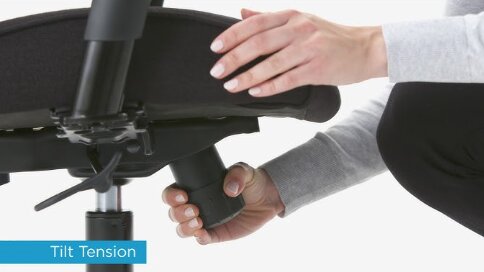
- Tilt tension adjustment knob
- Tilt spring
- Pivot points
- Recline lever
- Multi-function control plate
- Gas cylinder (on some designs)
When you lean backward, the tilt mechanism allows controlled movement while the spring provides resistance. Adjusting the tension changes how much force is required to recline.
If any of these components become worn, loose, damaged, or jammed, the chair may stop reclining altogether.
Signs Your Office Chair Recline Is Not Working Properly
Different symptoms usually point toward different causes.
Common signs include:
- Chair will not lean back at all
- Recline lever feels loose
- Lever moves but nothing happens
- Recline locks permanently
- Chair leans only slightly
- Recline feels uneven
- Chair suddenly becomes stiff
- Chair reclines but won’t stay upright
- Loud clicking while attempting to recline
- Recline works intermittently
Identifying the exact symptom helps narrow down the solution.
Common Causes of an Office Chair Recline Not Working
Recline Lock Is Engaged
This is the simplest—and surprisingly common—cause.
Many people accidentally activate the tilt lock while adjusting seat height.
When locked, the chair remains upright regardless of how much pressure you apply.
How to Fix It
- Sit in the chair.
- Locate the adjustment lever.
- Pull or push it according to the chair’s design.
- Lean backward while operating the lever.
Some mechanisms only disengage when weight is applied.
Tilt Tension Is Too Tight
The tilt tension controls how easily the chair reclines.
If someone tightened it completely, the chair may feel as though it’s locked.
Heavier users typically require tighter tension, while lighter users need less resistance.
How to Fix It
Locate the large round knob beneath the seat.
Turn it:
- Counterclockwise to reduce tension
- Clockwise to increase tension
Test the recline after every few turns.
Debris Is Blocking the Mechanism
Dust, pet hair, carpet fibers, and small objects can interfere with moving parts.
Over time, buildup may prevent the tilt mechanism from moving through its full range.
Solution
Inspect underneath the chair using a flashlight.
Look for:
- Dirt buildup
- Broken plastic pieces
- Staples
- Loose screws
- Zip ties
- Packaging material
Clean everything thoroughly before testing again.
Loose Bolts
The tilt mechanism is secured with several bolts.
If these gradually loosen, components can shift enough to prevent normal movement.
Fix
Using the correct Allen key or socket wrench:
- Tighten seat plate bolts
- Tighten mechanism bolts
- Tighten arm support hardware if connected
Avoid overtightening, which can strip threads.
Damaged Tilt Spring
Inside the tilt mechanism is a heavy-duty spring responsible for controlled reclining.
Over years of use, this spring may weaken, break, or lose tension.
Symptoms include:
- No recline
- Sudden recline
- Uneven resistance
- Loud metallic noises
Unfortunately, the spring is rarely serviceable individually.
Replacing the entire tilt mechanism is usually easier.
Bent Recline Lever
A bent or damaged lever may no longer engage the internal release mechanism.
Signs include:
- Lever wiggles excessively
- Lever feels disconnected
- Lever moves without resistance
Inspect for visible bending or broken welds.
Internal Tilt Mechanism Failure
This is one of the most common failures on older office chairs.
The internal gears, cams, pins, or plates eventually wear out.
Signs include:
- Clicking sounds
- Grinding noises
- Lever does nothing
- Chair suddenly stops reclining
Since these parts are riveted together, replacing the complete mechanism is typically the recommended repair.
Rust or Lack of Lubrication
Metal pivot points need occasional lubrication.
If moisture causes rust, movement becomes stiff or completely seized.
Use:
- Silicone lubricant
- White lithium grease
Avoid soaking the mechanism with excessive oil, which attracts dust.
Damaged Frame
A cracked seat frame or bent base can interfere with the recline path.
Inspect for:
- Bent steel
- Cracks
- Broken welds
- Twisted seat plate
Structural damage usually requires replacement rather than repair.
How to Diagnose Why the Recline Isn’t Working
Step 1: Test the Lock
Sit in the chair.
Move the recline lever while leaning backward.
If nothing changes, continue troubleshooting.
Step 2: Adjust Tilt Tension
Turn the tension knob several full rotations counterclockwise.
Try reclining again.
Step 3: Inspect Underneath the Seat
Turn the chair upside down.
Check for:
- Broken parts
- Missing screws
- Bent levers
- Obstructions
- Rust
Step 4: Listen for Noises
Different sounds indicate different problems.
| Noise | Possible Cause |
|---|---|
| Clicking | Broken gear or lock |
| Grinding | Worn internal mechanism |
| Squeaking | Dry pivot points |
| Metallic pop | Broken spring |
| Silence | Disconnected lever |
Step 5: Check for Physical Damage
Look for:
- Cracks
- Bent steel
- Broken plastic housing
- Missing hardware
These problems often require replacement parts.
How to Fix an Office Chair Recline That Isn’t Working
Unlock the Recline
Always start with the simplest solution.
Many users mistake a locked chair for a broken one.
Reduce Tilt Tension
Back off the adjustment knob several turns.
Test after each adjustment.
Tighten Every Bolt
Loose hardware causes numerous chair issues.
Inspect:
- Seat plate
- Tilt mechanism
- Armrests
- Backrest mounts
Use thread locker if bolts repeatedly loosen.
Clean the Tilt Mechanism
Vacuum loose debris.
Wipe away dust.
Remove wrapped hair or fibers from moving joints.
Compressed air can help clean hard-to-reach areas.
Lubricate Moving Components
Apply lubricant to:
- Pivot points
- Springs
- Hinges
- Moving joints
Cycle the recline repeatedly afterward to distribute lubrication evenly.
Replace the Tilt Mechanism
If the mechanism has failed internally, replacement is often straightforward.
Most universal seat mechanisms fit chairs using a standard bolt pattern.
Before ordering:
Measure:
- Bolt spacing
- Seat plate dimensions
- Cylinder opening diameter
Take photos before disassembly.
Replace the Recline Lever
Some manufacturers sell replacement control levers.
If available, replacing only the lever can restore functionality at a much lower cost.
Can You Repair the Tilt Mechanism Yourself?
Sometimes.
Simple repairs include:
- Tightening hardware
- Cleaning
- Lubricating
- Replacing the seat plate
- Replacing the lever
More complex repairs are generally not practical because manufacturers rivet or weld many internal components together.
Opening the mechanism can also release a heavily compressed spring, which poses a safety risk.
When the Gas Cylinder Is Actually the Problem
Many people assume the gas cylinder controls reclining.
In most office chairs, it does not.
The gas cylinder primarily adjusts seat height.
However, some synchronized mechanisms use the cylinder as part of the tilt assembly.
Possible symptoms include:
- Chair sinks while reclining
- Recline angle changes unexpectedly
- Chair feels unstable
If your chair also lowers on its own, replacing the gas cylinder may solve multiple issues.
Why Budget Office Chairs Often Develop Recline Problems
Lower-cost office chairs frequently use:
- Thinner steel
- Plastic gears
- Smaller springs
- Lower-quality welds
- Lightweight bearings
After several years of daily use, these parts wear much faster than those found in premium ergonomic chairs.
Heavy users and those who recline frequently may experience earlier failures.
How to Prevent Recline Problems
Proper maintenance significantly extends the life of the recline mechanism.
Clean the Chair Regularly
Every few months:
- Vacuum underneath
- Remove dust
- Wipe exposed metal
Keeping dirt out of moving parts reduces wear.
Tighten Hardware Every Six Months
Bolts naturally loosen through repeated movement.
Check:
- Seat bolts
- Backrest bolts
- Armrests
- Tilt mechanism
Lubricate Pivot Points Annually
Apply a small amount of lubricant once or twice per year.
This reduces friction while preventing rust.
Stay Within the Weight Rating
Every chair has a maximum weight capacity.
Exceeding it places excessive stress on:
- Springs
- Hinges
- Welds
- Tilt plate
Overloading greatly increases the chance of mechanism failure.
Avoid Dropping Into the Chair
Sitting down forcefully creates sudden impact loads.
Repeated impacts shorten the life of:
- Tilt mechanisms
- Gas cylinders
- Casters
- Base frames
Lower yourself gently whenever possible.
Should You Replace the Mechanism or Buy a New Chair?
The answer depends on the chair’s quality.
Replacing the mechanism often makes sense if:
- The chair is less than 10 years old.
- The frame and backrest are in excellent condition.
- Replacement parts are available.
- The repair costs less than about half the price of a comparable new chair.
Buying a new chair is usually the better option if:
- The frame is cracked or bent.
- Multiple components have failed.
- Replacement parts are discontinued.
- The chair is a low-cost model with widespread wear.
For premium ergonomic chairs, repairing the mechanism can be a cost-effective way to extend the chair’s service life. For inexpensive chairs nearing the end of their lifespan, investing in a new model often provides better long-term value.
Frequently Asked Questions
Why won’t my office chair recline even though the lever moves?
The recline lock may still be engaged, the tilt tension may be set too tight, or the internal tilt mechanism may have failed. Start by unlocking the recline and reducing the tension before inspecting the mechanism for damage.
Can a broken gas cylinder stop the chair from reclining?
Usually no. The gas cylinder primarily controls seat height. Most recline issues originate in the tilt mechanism rather than the cylinder.
Is it safe to open the tilt mechanism?
In most cases, no. Many tilt mechanisms contain heavily compressed springs and riveted components that are not designed to be serviced. Replacing the entire assembly is generally safer than attempting to repair it internally.
Why does my chair recline only halfway?
A partially engaged recline lock, excessive tilt tension, debris in the mechanism, or worn internal components can all limit the recline angle.
Can I replace the tilt mechanism myself?
If you have basic tools and a compatible replacement part, many office chair tilt mechanisms can be replaced at home. Be sure to match the bolt pattern, seat plate dimensions, and cylinder opening before purchasing a replacement.
How long should an office chair recline mechanism last?
The lifespan depends on build quality, frequency of use, user weight, and maintenance. A high-quality mechanism can last well over a decade with regular cleaning and lubrication, while lower-cost chairs may develop recline issues after only a few years of daily use.
Final Thoughts
A recline function that stops working doesn’t always mean your office chair has reached the end of its life. In many cases, the issue is something simple, such as an engaged recline lock, overly tight tilt tension, loose hardware, or accumulated debris beneath the seat. These problems are often easy to diagnose and inexpensive to fix.
When the tilt mechanism itself has worn out, replacing the entire assembly is usually the most reliable solution. If the chair’s frame, backrest, and other components remain in good condition, a new mechanism can restore years of comfortable use. On the other hand, if the chair has multiple failing parts or structural damage, replacing the chair may be the more practical investment.
Regular cleaning, periodic bolt tightening, and occasional lubrication can go a long way toward preventing recline problems and extending the lifespan of your office chair.