
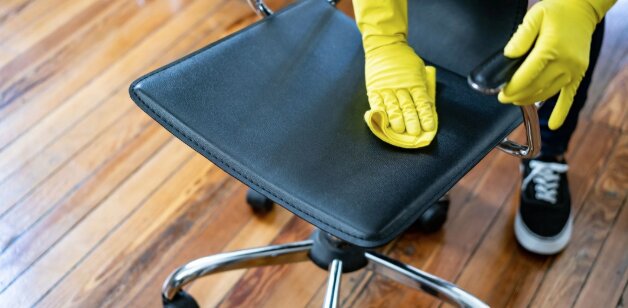
A leather office chair can instantly upgrade the look of a workspace, but it also requires proper care to maintain its appearance and durability. Over time, leather collects dust, body oils, sweat, and stains that can make it look dull or worn out. Knowing how to clean a leather office chair correctly helps extend its lifespan and keeps it looking professional for years.
This guide breaks down a safe, effective cleaning process along with maintenance tips, common mistakes to avoid, and solutions for stubborn stains.
Why Cleaning Your Leather Office Chair Matters
Leather is a durable material, but it is still porous. That means it absorbs oils and moisture over time, which can lead to:
- Cracking and dryness
- Fading or discoloration
- Unpleasant odors
- Surface stains and buildup
Regular cleaning not only improves appearance but also protects the leather’s structure. A well-maintained chair can last significantly longer than one that is rarely cleaned.
Types of Leather Used in Office Chairs
Before cleaning, it’s important to identify the type of leather. Different materials require slightly different care.
1. Genuine Leather
Natural leather made from animal hide. It is durable but needs conditioning to prevent drying.
2. PU Leather (Faux Leather)
Synthetic leather that is easier to clean but more prone to peeling over time if harsh chemicals are used.
3. Bonded Leather
Made from leftover leather fibers mixed with synthetic materials. It is less durable and should be cleaned gently.
Understanding your chair type helps avoid damage during cleaning.
What You’ll Need
Before starting, gather these basic cleaning supplies:
- Microfiber cloths
- Mild dish soap or leather cleaner
- Distilled water
- Soft sponge
- Leather conditioner (for genuine leather)
- Cotton swabs (for tight areas)
- Optional: white vinegar (for light stains)
Avoid harsh cleaners like bleach, ammonia, or alcohol-based wipes, as they can damage leather surfaces.
Step-by-Step: How to Clean a Leather Office Chair
Step 1: Dust and Vacuum the Chair
Start by removing loose dust and debris.
- Use a dry microfiber cloth to wipe the surface
- Vacuum seams and crevices using a soft brush attachment
- Pay attention to armrests and seat edges where dirt builds up
This prevents dirt from spreading during cleaning.
Step 2: Prepare a Gentle Cleaning Solution
Mix a few drops of mild dish soap with warm distilled water.
- The solution should be lightly soapy, not overly concentrated
- For PU leather, even plain water is often enough
Step 3: Wipe the Surface
Dip a microfiber cloth into the solution and wring it out thoroughly.
- Wipe the leather gently in circular motions
- Avoid soaking the material
- Focus on stained or high-contact areas
If needed, use a soft sponge for slightly tougher spots.
Step 4: Clean Seams and Hard-to-Reach Areas
Use a cotton swab or soft toothbrush for:
- Stitching lines
- Button areas
- Armrest joints
These areas trap oils and dust easily.
Step 5: Wipe Off Soap Residue
Take a clean damp cloth (water only) and remove any soap residue from the surface. This prevents buildup that can dull the leather.
Step 6: Dry Completely
Let the chair air dry naturally.
- Avoid direct sunlight or heaters
- Do not use a hair dryer
Excess heat can cause leather to crack or warp.
Conditioning (For Genuine Leather Only)
Once the chair is fully dry, apply a leather conditioner.
- Use a small amount on a microfiber cloth
- Rub gently in circular motions
- Allow it to absorb for 10–15 minutes
- Buff lightly with a dry cloth
Conditioning restores moisture and keeps the leather flexible.
How to Remove Common Stains
Oil or Grease Stains
- Blot immediately with a dry cloth
- Use a mild soap solution
- Avoid scrubbing aggressively
Ink Stains
- Dab lightly with a cotton swab dipped in diluted rubbing alcohol (test first)
- Wipe quickly and follow with a damp cloth
Food or Drink Spills
- Wipe immediately with a damp cloth
- Use mild soap if residue remains
Sweat Marks
- Clean regularly with a diluted soap solution to prevent buildup
Mistakes to Avoid
Many people unintentionally damage their leather chairs by making simple mistakes:
- Using harsh chemicals or alcohol-based cleaners
- Over-saturating the leather with water
- Scrubbing too hard on stains
- Skipping conditioning on genuine leather
- Letting spills sit too long
Avoiding these errors will significantly extend the chair’s life.
Maintenance Tips for Long-Term Care
To keep your leather office chair in good condition:
- Wipe it down weekly with a dry microfiber cloth
- Do a full clean every 1–2 months
- Condition genuine leather every 3–6 months
- Keep the chair away from direct sunlight
- Avoid eating greasy foods while sitting
Small habits make a big difference over time.
FAQ: Cleaning a Leather Office Chair
Can I use wet wipes on leather chairs?
Most wet wipes contain alcohol or chemicals that can dry out leather. It’s safer to use a damp microfiber cloth instead.
How often should I clean my leather office chair?
Light cleaning weekly and deeper cleaning every 1–2 months is ideal for most users.
Can I use vinegar to clean leather?
Diluted vinegar can be used for light stains, but it should be used sparingly and tested first.
Why is my leather chair cracking?
Cracking usually happens due to dryness, lack of conditioning, or exposure to heat and sunlight.
Final Thoughts
Learning how to clean a leather office chair is simple, but consistency is what keeps it looking new. A gentle cleaning routine combined with occasional conditioning helps preserve both appearance and comfort. With proper care, a quality leather chair can stay in excellent condition for many years of daily use.
If your chair is already showing signs of wear, starting a regular cleaning routine today can still make a noticeable difference in its look and feel.