
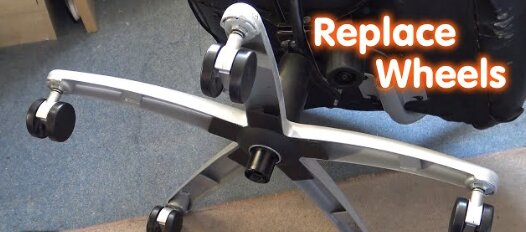
Office chair wheels, also called casters, take a tremendous amount of abuse every day. They roll across carpet, hardwood, tile, and office mats while supporting hundreds of pounds of weight. Over time, hair, dirt, dust, and debris accumulate inside the wheels, causing them to stick, wobble, squeak, or stop rolling altogether.
Fortunately, replacing office chair wheels is one of the easiest office chair repairs you can perform. Most replacement jobs take less than 15 minutes and require little to no specialized tools.
This guide explains how to replace office chair wheels, how to choose compatible replacement casters, common problems you may encounter, and tips to make your new wheels last longer.
Why Replace Office Chair Wheels?
Many people assume they need to replace an entire chair when the wheels stop functioning properly. In reality, worn-out casters are often the only issue.
Replacing office chair wheels can provide several benefits:
- Smoother rolling performance
- Reduced noise while moving
- Better floor protection
- Improved mobility and comfort
- Less strain on your back and legs
- Extended chair lifespan
- Enhanced stability and safety
If your office chair is otherwise in good condition, replacing the wheels is usually far more affordable than buying a new chair.
Signs Your Office Chair Wheels Need Replacement
Wheels No Longer Roll Smoothly
When wheels become difficult to move, internal bearings may be worn or clogged with debris.
Excessive Noise
Squeaking, grinding, or clicking sounds often indicate damaged bearings or wheel components.
Visible Cracks or Damage
Inspect the wheel housing and rolling surface for:
- Cracks
- Flat spots
- Chips
- Broken sections
Physical damage typically means replacement is necessary.
Wheels Fall Out Repeatedly
Loose casters may have worn stems or damaged mounting sockets.
Uneven Chair Movement
If the chair tilts or rolls unevenly, one or more wheels may be failing.
Floor Damage
Old hard-plastic casters can scratch hardwood, laminate, and vinyl flooring. Upgrading to rollerblade-style wheels often solves this problem.
Understanding Office Chair Wheel Types
Before ordering replacements, it’s important to understand the different types of office chair wheels.
Standard Dual-Wheel Casters
These are the most common office chair wheels.
Features include:
- Two-wheel design
- Budget-friendly replacement options
- Suitable for carpeted floors
- Found on most office chairs
Rollerblade Office Chair Wheels
Rollerblade-style casters have become increasingly popular.
Benefits include:
- Smooth rolling action
- Quiet operation
- Better floor protection
- Modern appearance
- Reduced debris buildup
Many users upgrade from standard casters to rollerblade wheels for improved performance.
Locking Casters
Locking wheels allow users to prevent chair movement when needed.
They are often used in:
- Drafting chairs
- Medical environments
- Laboratories
- Shared workspaces
Soft Casters
Soft wheels work best on hard flooring surfaces.
Recommended for:
- Hardwood
- Tile
- Laminate
- Vinyl
Hard Casters
Hard wheels perform better on carpeted floors because they roll more easily across soft surfaces.
Tools Needed to Replace Office Chair Wheels
Most office chair wheel replacements require minimal equipment.
Common tools include:
- Flathead screwdriver
- Rubber mallet
- Pliers
- Towel or blanket
- Lubricant spray (optional)
- Work gloves (optional)
Many chairs allow wheel replacement without any tools at all.
How to Identify the Correct Replacement Wheels
One of the most important steps is purchasing compatible casters.
Measure the Stem Size
Most office chairs use a grip ring stem.
The most common size is:
- 7/16-inch diameter × 7/8-inch length
- Equivalent to 11 mm × 22 mm
This size fits the majority of office chairs sold in North America.
Check Manufacturer Specifications
If available, review:
- User manual
- Product page
- Manufacturer website
These resources often list caster specifications.
Verify Chair Compatibility
Not all chairs use universal stems.
Certain brands may use proprietary designs.
Always verify compatibility before purchasing replacement wheels.
Step-by-Step: How to Replace Office Chair Wheels
Prepare Your Workspace
Move the chair to an open area with adequate lighting.
Place a blanket, towel, or soft mat on the floor to protect the chair and prevent scratches during the process.
Turn the Chair Upside Down
Carefully flip the chair over so the wheel base is facing upward.
This provides easy access to all casters.
Ensure the chair is stable before proceeding.
Remove the Old Wheels
Most office chair wheels use friction-fit stems rather than screws.
Grasp the wheel firmly and pull straight outward.
In many cases, the caster will pop out with moderate force.
Use a Screwdriver if Necessary
If the wheel is stuck, insert a flathead screwdriver between the caster stem and chair base.
Gently pry while pulling outward.
Avoid excessive force that could damage the chair base.
Use Pliers for Stubborn Wheels
For particularly stubborn casters:
- Grip the metal stem with pliers.
- Pull while twisting gently.
- Continue until the caster releases.
A small amount of penetrating lubricant may help loosen stuck stems.
Inspect the Socket
After removing the wheel, examine the mounting socket.
Look for:
- Dirt buildup
- Hair accumulation
- Rust
- Cracks
- Damage
Clean the socket thoroughly before installing new wheels.
Remove Debris
Use a cloth or compressed air to remove contaminants from the socket.
A clean mounting point helps ensure proper wheel installation.
Install the New Wheels
Align the new caster stem with the socket.
Push firmly until the stem seats fully.
Most casters snap into place.
You should hear or feel a distinct click when properly installed.
Verify Proper Seating
Pull gently on the wheel.
A correctly installed caster should remain securely attached.
Repeat the installation process for the remaining wheels.
Test the Chair
Turn the chair upright.
Sit in the chair and roll it across the floor.
Check for:
- Smooth movement
- Proper wheel alignment
- Stable operation
- Secure attachment
If any wheel feels loose, remove and reinstall it.
How to Remove Stuck Office Chair Wheels
Sometimes wheels become extremely difficult to remove due to age or debris buildup.
Try Twisting While Pulling
Rotating the caster while pulling often breaks the bond between the stem and socket.
Apply Lubricant
Spray a small amount of lubricant around the stem connection.
Allow it to penetrate for several minutes.
Attempt removal again.
Use Leverage Carefully
A flathead screwdriver can provide leverage.
Work slowly to avoid cracking plastic chair bases.
Use a Rubber Mallet
Light taps around the wheel assembly may help loosen stubborn stems.
Avoid striking the wheel aggressively.
How to Upgrade to Rollerblade Wheels
Many office chair owners choose rollerblade-style casters instead of replacing standard wheels.
Advantages of Rollerblade Wheels
Rollerblade wheels offer several benefits:
- Quieter operation
- Better floor protection
- Easier rolling
- Reduced maintenance
- Modern appearance
- Less hair entanglement
Installation Process
The installation process is identical to standard casters.
Simply remove the old wheels and push the new rollerblade casters into the existing sockets.
Are Rollerblade Wheels Worth It?
For most users, the answer is yes.
The improved mobility and reduced floor damage often justify the modest upgrade cost.
Common Mistakes When Replacing Office Chair Wheels
Buying the Wrong Stem Size
This is the most common mistake.
Always verify stem dimensions before ordering replacement casters.
Forcing Incompatible Wheels
Never force a caster into a socket that doesn’t match its stem size.
Doing so may damage the chair base.
Ignoring Chair Weight Capacity
Some aftermarket wheels have lower weight ratings than original casters.
Choose wheels rated appropriately for the chair and user.
Skipping Socket Cleaning
Debris inside the mounting socket can prevent proper installation.
Always clean the socket before inserting new wheels.
Replacing Only One Wheel
If one caster has failed due to age, the others may not be far behind.
Replacing all five wheels ensures consistent performance.
How Long Do Office Chair Wheels Last?
The lifespan of office chair wheels depends on several factors:
- Floor type
- User weight
- Daily usage
- Wheel quality
- Maintenance practices
Typical lifespan ranges include:
| Wheel Type | Average Lifespan |
|---|---|
| Standard plastic casters | 2–5 years |
| Premium casters | 5–10 years |
| Rollerblade wheels | 5–10+ years |
Heavy daily use may shorten these estimates.
How to Maintain Office Chair Wheels
Regular maintenance can significantly extend caster life.
Remove Hair and Debris
Hair is one of the biggest causes of wheel failure.
Inspect wheels every few months and remove buildup.
Clean the Wheels Periodically
Use a damp cloth to remove dirt and dust.
Avoid excessive moisture.
Lubricate Moving Parts
If recommended by the manufacturer, apply a small amount of lubricant to wheel bearings.
Protect Floors
Using appropriate wheels for your flooring surface reduces wear on both the wheels and floor.
Check Wheel Security
Periodically confirm that all casters remain firmly attached.
Loose wheels should be reinstalled immediately.
When to Replace the Entire Chair Instead
While wheel replacement solves many mobility problems, some situations may justify replacing the entire chair.
Consider a new chair if you have:
- Cracked chair base
- Broken seat mechanism
- Failed gas lift cylinder
- Severe structural damage
- Excessive wobbling throughout the frame
If the chair frame remains sound, replacing the wheels is usually the most cost-effective solution.
Frequently Asked Questions
Are office chair wheels universal?
Most office chair wheels use the standard 11 mm × 22 mm grip-ring stem, but not all chairs are universal. Always verify compatibility before purchasing replacements.
Can I replace office chair wheels without tools?
Yes. Many casters pull out by hand and snap into place without requiring any tools.
Why won’t my office chair wheels come off?
Debris, corrosion, and years of use can cause the stem to become stuck inside the socket. Twisting, lubrication, and pliers often solve the problem.
Are rollerblade wheels better than standard casters?
For most users, rollerblade wheels provide smoother rolling, quieter operation, and better floor protection than traditional plastic casters.
Do I need a chair mat after replacing my wheels?
Not necessarily. High-quality rollerblade wheels often eliminate the need for a chair mat on hardwood, laminate, and tile floors.
How much does it cost to replace office chair wheels?
Most replacement caster sets cost between $20 and $60, depending on wheel type and quality.
Final Thoughts
Learning how to replace office chair wheels is one of the easiest and most cost-effective office chair maintenance tasks. The process typically takes less than 15 minutes, requires minimal tools, and can dramatically improve chair performance.
By selecting compatible replacement casters, cleaning the mounting sockets, and installing the wheels correctly, you can restore smooth movement, reduce noise, and extend the life of your office chair. For many users, upgrading to rollerblade-style wheels provides an even better experience by offering quieter operation and superior floor protection.
Rather than replacing an otherwise functional chair, a simple wheel replacement can often make it feel nearly new again.